
Internet Technologies Are Quietly Rewriting How We Live Online
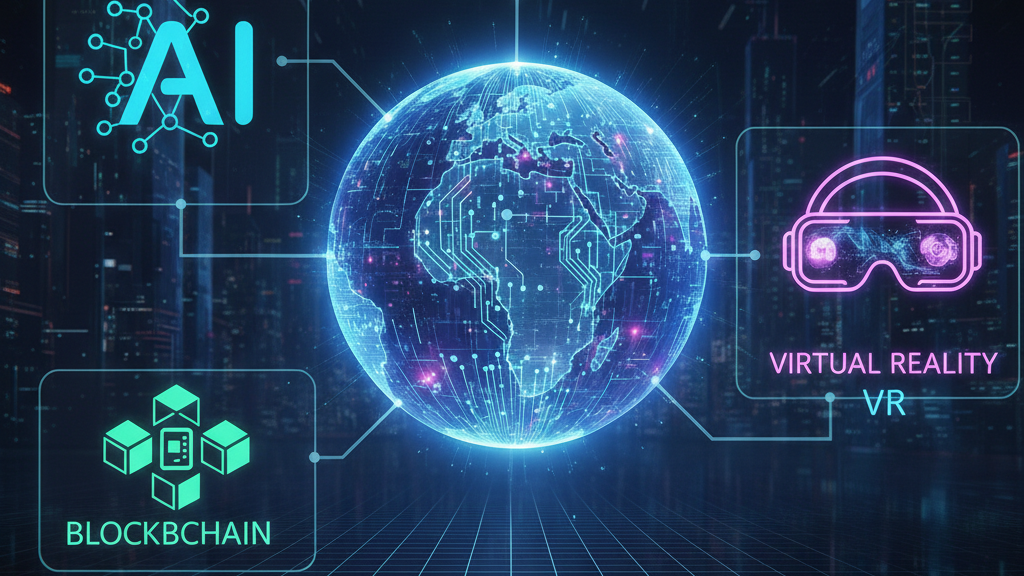
The digital world is no longer something we notice only in the background. It shapes how we wake up to notifications, stream entertainment, work remotely, and stay connected across continents. What once felt futuristic has now blended seamlessly into daily life. The internet itself has evolved into a system that learns, adapts, and responds to human behavior.
This silent transformation is happening faster than most people realize. Behind every click and scroll, powerful innovations are redefining how online experiences feel and function.
How Artificial Intelligence Turned the Internet into a Thinking System
Artificial intelligence has transformed the internet from a static space into a responsive environment. Search engines understand intent, platforms personalize content, and automated systems react in real time. Internet Technologies supported by AI help digital platforms become smarter and more efficient.
This shift allows users to access relevant information with minimal effort. As intelligent systems improve, online interactions feel increasingly natural and intuitive.
Why Cloud Computing Became the Backbone of the Modern Internet
Cloud computing changed how online services are built and delivered. Instead of relying on physical servers, platforms now operate through flexible cloud environments. Internet Technologies that rely on cloud infrastructure can expand smoothly as user demand grows.
This evolution supports global access and uninterrupted performance. It also enables faster innovation without heavy technical limitations.
5G Networks Are Making Waiting Online a Thing of the Past
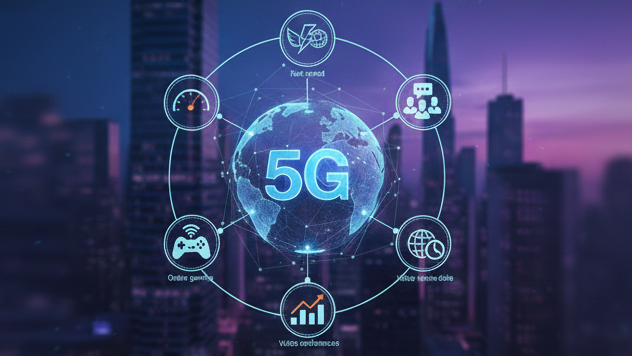
Slow loading times once defined many online experiences, frustrating users and limiting what could be done online. With the arrival of 5G, internet speed and responsiveness have reached entirely new levels, reducing lag and buffering almost entirely. Internet Technologies that rely on real-time data, such as online gaming, cloud applications, and video conferencing, now operate with minimal delay, making virtual interactions feel seamless.
From streaming ultra-high-definition videos to participating in immersive virtual events, everything feels nearly instantaneous. This faster connectivity is not only improving convenience but also enabling innovations like smart cities, autonomous vehicles, and remote surgery that were previously impossible due to network limitations.
Blockchain Is Teaching the Internet How to Trust Again
Trust has always been a major challenge in digital spaces, where data can be altered, stolen, or misused. Blockchain introduces transparency through decentralized data systems, where information is securely recorded across multiple nodes. Many Internet Technologies now adopt blockchain to reduce reliance on a single central authority, ensuring data integrity and verifiability.
This approach strengthens security, improves reliability for online transactions, and reduces fraud in finance, supply chain, and digital contracts. Users also gain greater control over their digital identities, with privacy and authenticity maintained without compromising convenience.
The Internet of Things Is Bringing the Physical World Online
The internet is no longer limited to computers and smartphones; smart devices now communicate constantly through connected networks. These systems link homes, cities, and industries into a shared digital ecosystem. Internet Technologies supporting the Internet of Things allow appliances, vehicles, sensors, and wearable devices to work together intelligently.
This connectivity improves automation, energy efficiency, and convenience, from smart thermostats adjusting room temperature to industrial sensors optimizing production. Everyday objects are becoming active participants in online ecosystems, creating a seamless interaction between the physical and digital worlds.
Cybersecurity Is Becoming the Internet’s Invisible Shield
As online activity grows exponentially, security risks have also increased, ranging from phishing and malware to large-scale data breaches. Advanced protection methods are now essential to safeguard sensitive information and maintain user trust. Modern Internet Technologies focused on cybersecurity employ multi-layered defenses, including encryption, AI-powered threat detection, and zero-trust architecture.
Privacy and protection are no longer optional—they are fundamental requirements for a reliable digital environment. Strong cybersecurity measures ensure businesses, governments, and individuals can interact confidently online, laying the foundation for safe and sustainable internet growth
Virtual Reality Is Turning Online Spaces into Experiences
Virtual reality is changing how people interact with digital content. Online environments are becoming immersive and interactive. This shift allows learning, collaboration, and entertainment to feel more engaging.
The boundary between physical and digital experiences continues to blur, creating deeper connections.
What This Means for the Future of the Internet
Internet Technologies are shaping an online world that is faster, smarter, and more connected. Each advancement builds on the last, creating lasting change rather than temporary trends.
The internet is evolving into an intelligent companion instead of a simple tool. These changes will influence how future generations experience digital life.
Want to see it in action?
Follow my journey and connect with me here on My LINKEDIN You’ll get insights into how I turned LinkedIn into a source of high-paying clients and professional growth.
Need Help With LinkedIn or Growing Your Career?
If you want personalized guidance or help optimizing your LinkedIn profile, building your professional network, or landing high-value clients, feel free to contact me. You can reach me here. Raja Sain – Contact Me I’ll be happy to assist you in achieving your professional goals.